
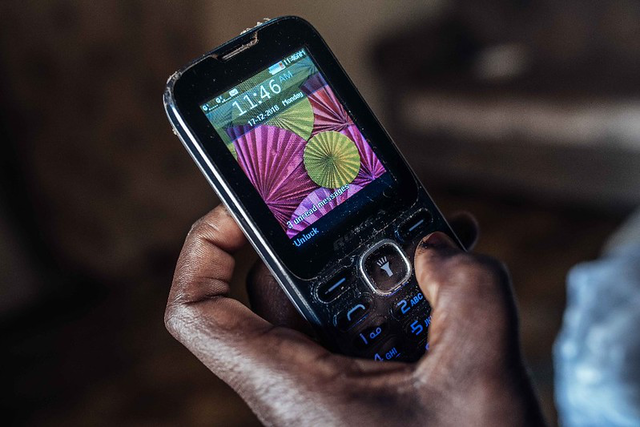
How can mobile phones help poor people?
Mobile phones can be used in ICT4D (Information and Communication Technologies for Development) to help poor people.
Mobile phones can be a powerful tool for promoting development and improving the lives of people in developing countries, by providing access to information, opportunities, and services. For example:
- Healthcare: Mobile phones can be used to access health information and services, including telemedicine and other remote healthcare services. This can help to improve access to healthcare, especially for people in remote or underserved areas.
- Education: Mobile phones can be used to access educational resources, including online courses, educational videos, and other materials. This can help to improve the quality of education and expand opportunities for learning.
- Employment: Mobile phones can be used to find and apply for jobs, as well as connect with potential employers and clients. They can also be used to start and run businesses, providing a source of income and economic opportunities.
- Communication: Mobile phones can be used to stay connected with friends and family, and to access news and information from around the world. They can also facilitate the exchange of ideas and facilitate collaboration with others.
- Political participation: Mobile phones can provide a platform for people to engage in political discourse and participate in the democratic process, helping to promote transparency and accountability in governance.

Why is the Quality of Kenyan Apps Going Down?
I am Kennedy Kachwanya and I think the quality of the apps being created has gone down. Recently I attended Microsoft Imagine Cup competition and I left the...

How Mobile Money Improves Development Outcomes for the Unbanked
At the recent London Technology Salon, we debated “How Mobile Money Can Improve Development Outcomes for the Unbanked?” with 30 thought leaders in...

8 Technology Lessons Learned from Hurricane Sandy
Interested in joining the conversation? Sign up to get invited to our next event.
The aftermath Hurricane Sandy saw massive response efforts including an unprecedented...

How to Launch a Tech Hardware Startup in Africa
On May 28, join a conversation with Verone Mankou, designer of Africa’s first tablet computer. RSVP today.
Bringing a new product to market is no easy task. In...

Mobile Phones, Like All Technologies, Are Gender Neutral
At the first Technology Salon in London, we had a very thoughtful discussion on the implications of gender in using mobile technologies to stimulate social and...

How Gender Influences Mobile Technologies for Development
The very first Technology Salon to take place in London occurred just three days after the International Telecommunications Union (ITU) announced that...

Join the Mobiles for Youth Workforce Development Twitter Chat on Scale – Today!
The Mobiles for Youth Workforce Development (mYWD) Working Group, an initiative of the mEducation Alliance in partnership with The MasterCard Foundation and USAID,...

Will the Ubuntu Phone Rock the African Software Development Market?
You’re undoubtedly familiar with Ubuntu. An open source OS powerhouse, some argue that Ubuntu has the potential to take a sizable bite out of the cost of deploying...

3 Key Factors for Your Next Mobile App to Scale Like M-PESA
I am Josephine Mutugu and at the Nairobi Technology Salon on What is the Next Mobile Development App that Will Scale? we launched into the discussion with a brief...

London Technology Salon: How Can We Empower Women and Girls with Mobiles?
We would be delighted to invite you to RSVP to join a select cohort of thought leaders and decision makers for the first Technology Salon in London, where Henriette...
About Us
ICTworks™ is the premier resource for international development professionals committed to utilizing new and emerging technologies to magnify the intent of communities to accelerate their social and economic development.
Subscribe to our Newsletter
Enter your e-mail to get ICTworks 3x a week!:
Become an ICTworks Writer
Our team gladly accepts outside contributors for ICTworks articles. If you would like to publish an article on our website, please see our Guest Post Guidelines
 This work is licensed under a Creative Commons Attribution-NonCommercial-ShareAlike 4.0 International License.